Hearing that a tooth is “dead” or not healthy can feel stressful, and many people worry about losing it. Even though it sounds serious, modern dental care can often save the tooth and keep it in place.
When a tooth loses its blood supply and nerve function, it needs timely treatment to stop infection from spreading to nearby bone and tissues. Getting root canal therapy near you helps remove the infection and protect your natural tooth.
What Is a Dead Tooth?
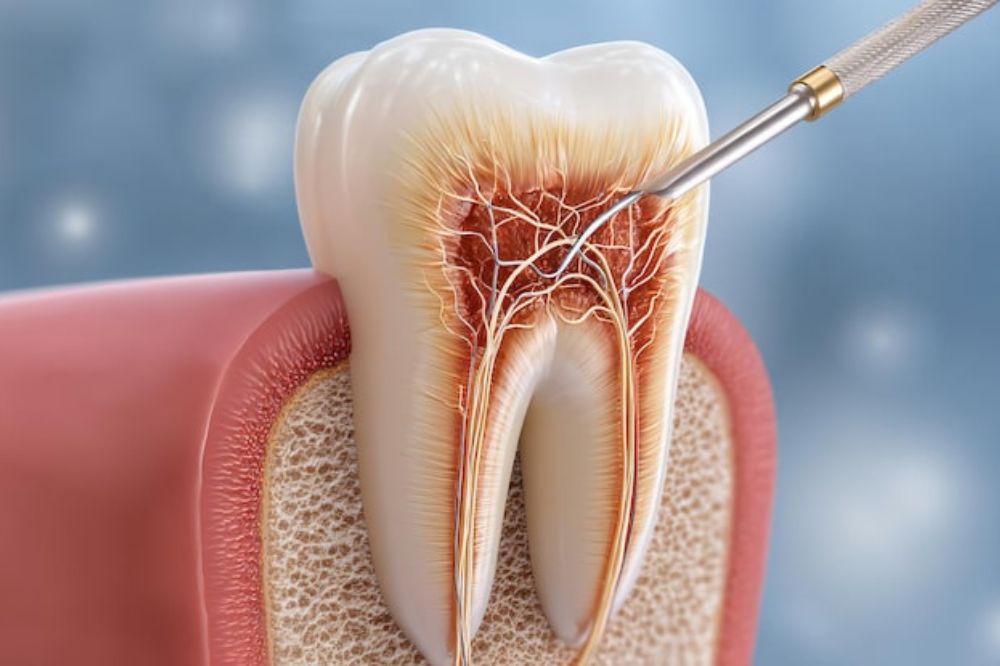
Each tooth in your mouth has a soft center called the pulp. This area contains the nerves and tiny blood vessels that keep the tooth alive and growing. If this pulp becomes damaged, usually through a deep cavity or a sudden physical injury, it can stop functioning. When the tissue inside becomes inactive, the tooth is considered “dead.”
Common signs that you might need root canal therapy include a tooth that has turned dark gray or yellow, persistent swelling in the gums, or a dull ache that won’t go away.
Can a Dead Tooth Be Saved?
The short answer is often yes. In the past, the only solution for a non-vital tooth was to remove it entirely. Today, the goal of a modern dental team is to preserve your natural smile whenever possible. Keeping your original tooth helps maintain the alignment of your bite and prevents your other teeth from shifting out of place.
If you visit our dental clinic in Pickering, we begin by taking detailed X-rays to look at the roots and the bone underneath. If the structure of the tooth is still strong and the infection hasn’t caused too much damage to the jaw, we can usually move forward with a plan to clean and seal the tooth.
The Role of Root Canal Therapy
A root canal is a common procedure designed to remove the damaged or infected pulp from inside the tooth. Once the center is cleaned and sanitized, the space is filled with a rubber-like material to seal it off from bacteria.
During a visit to your dentist near Glen Grove, you will find that the process is very similar to getting a deep filling. The area is thoroughly numbed to ensure you stay comfortable while the dentist works. After the internal cleaning is finished, the tooth is often topped with a custom-made crown. This cap provides the strength the tooth needs to handle the pressure of chewing.
Why Choosing Treatment Matters
Ignoring a non-vital tooth can lead to more serious health issues. Bacteria from the dead pulp can travel through the root tip and create a pocket of infection known as an abscess. This can be quite painful and may cause facial swelling. By choosing a root canal, you are essentially “disinfecting” the tooth so it can stay in your mouth safely.
Many patients ask if a dead tooth can be saved if they wait a few months. While it is sometimes possible, waiting increases the risk that the tooth will become too brittle or the infection too widespread for a repair.
Life After a Root Canal
Once the procedure is finished and the permanent crown is in place, your tooth should look and feel like all the others. You can brush and floss it normally. While the tooth no longer has a nerve to feel hot or cold, it is still anchored in your jaw by living tissues. With good oral hygiene and regular professional cleanings, a tooth that has undergone root canal therapy can last for many years.
Take the Next Step Toward Oral Health
If you have concerns about a discoloured tooth or persistent gum sensitivity, our team at Pickering Dental is here to help.
Contact our clinic today to book an examination and discuss your options for care.
Frequently Asked Questions
Does a root canal hurt?
The procedure is performed using local numbing medication to ensure you are comfortable. Most patients find the experience feels very similar to having a standard cavity filled. The primary goal is actually to relieve the pain caused by the internal infection.
How do I know if my tooth is dead?
A colour change is one of the most common signs. If a tooth looks noticeably darker than the ones next to it, the pulp may be damaged. Other signs include a persistent pimple-like bump on the gums or a bad taste in your mouth.
Is it better to pull the tooth or get a root canal?
Whenever possible, keeping your natural tooth is the preferred option. Pulling a tooth requires a bridge or an implant to fill the gap, which is often more complex and costly than saving the tooth you already have.
How long does the procedure take?
Most root canals can be completed in one or two visits. The length of time depends on the health of the tooth and the complexity of the root structure.