
How can dental sealants protect your teeth from decay? Good dental health is more than just brushing and flossing. One preventive step that many parents and adults miss is dental sealants in Pickering. These thin coatings help protect teeth, especially in hard-to-reach areas, from cavities. Skipping sealants can increase the risk of decay, more complicated dental treatments, and long-term oral health problems.
Understanding why sealants matter and how they protect your teeth is essential for both children and adults. In this guide, we will explore the risks of not getting dental sealants, the benefits of using them, and what you can expect regarding cost and care.
What Are Dental Sealants and How Do They Work?
Dental sealants are thin, protective coatings applied to the chewing surfaces of your molars and premolars. These areas have deep grooves that are difficult to clean with brushing alone, making them more susceptible to cavities.
- Sealants act as a barrier, preventing food and bacteria from settling into the grooves.
- They are typically made of a safe resin material.
- The process is quick, painless, and non-invasive.
Without sealants, plaque and bacteria can accumulate in the tiny pits of your teeth, increasing the risk of cavities and decay over time.
Preventing Tooth Decay with Sealants
The most common reason for obtaining a dental sealant is tooth decay. Cavities are quite common, particularly in kids and teens, but adults can also benefit. Why Are Sealants Important and How to Prevent Cavities?
- Food fragments stick into the grooves and lead to bacteria.
- Space that is hard to clean can develop cavities.
- If decay happens early, there will later be fillings, crowns, or root canals.
Sealants are a simple preventive measure that helps avoid these complications, making them a cost-effective solution in the long run.
Who Can Benefit from Dental Sealants?
While children are the most common recipients, sealants can benefit anyone with deep grooves or vulnerable teeth:
- Children and teens: Their permanent molars are newly erupted and more prone to decay.
- Adults: Even fully developed teeth can benefit from additional protection, especially if you have fillings or previous cavities.
- High-risk individuals: People with poor oral hygiene habits or a history of cavities.
Skipping sealants can increase dental problems across all age groups, so early preventive care is always better.
Dental Sealant Cost and Considerations
Many people worry about the dental sealant cost, but when compared to the cost of fillings or more invasive procedures, sealants are highly affordable. Factors that can affect pricing include:
- Number of teeth being sealed
- The dental clinic’s location and services
- Insurance coverage
Investing in sealants now can save you significant money later by preventing cavities and more complicated dental work.
Risks of Skipping Sealants
Avoiding sealants may seem harmless, but it carries several risks:
- Increased cavities: Deep grooves are highly susceptible to decay without protection.
- More dental treatments: The filling of cavities or repairing decay takes more time or is costlier.
- Pain and sensitivity: If decay is left untreated, you might feel discomfort while eating or drinking.
- Long-term tooth damage: Severe decay can lead to tooth loss or require extensive restorative procedures.
- Compromised oral health: Infections in the gums and the adjacent teeth due to untreated cavities.
For this reason, sealants are a wise option for both children and adults to help prevent these risks.
How Sealants Are Applied
The application process is simple and quick, usually taking only a few minutes per tooth:
- The tooth is cleaned and dried.
- An etching solution is applied to help the sealant bond to the enamel.
- The sealant is painted onto the chewing surface.
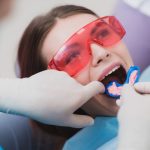
- A curing light hardens the material, creating a strong protective layer.
No drilling or anesthesia is required, and the results can last for several years with proper care.
Maintaining Sealants for Long-Term Protection
Sealants are durable but not permanent. Maintaining them includes:
- Brushing twice a day with fluoride toothpaste
- Flossing daily to remove food particles between teeth
- Regular dental visits to a dentist in Pickering for checking the sealants’ condition
Proper maintenance ensures you get the full benefits of your investment in dental health.
Protect Your Smile Early!
Want to protect your teeth before cavities appear? Preventive care like dental sealants is a simple, painless, and effective way to keep your teeth healthy for years. Book your consultation with Pickering Dental today and take the first step toward a stronger, cavity-free smile with expert guidance and personalized care.
FAQs
What are dental sealants, and why are they necessary?
Dental sealants are thin coatings placed on teeth, usually on the back teeth, like molars. The grooves of these teeth reduce cavity-causing food and germ accumulation.
When should my child get dental sealants?
Children can get sealants as soon as their permanent molars come in, usually between the ages of 6 and 12. Sealants protect new teeth when they are most likely to get cavities.
Are dental sealants only for children?
No. Adults with deep grooves in their teeth or who have had cavities can also get sealants to protect their teeth and dental work.
How long do dental sealants last?
Sealants usually last 3–10 years, depending on care and use. Regular dental checkups help keep them in good condition.