Are you preparing for maxillofacial surgery and wondering how to get ready the right way? Preparing properly before surgery helps reduce stress and supports faster, smoother healing. Maxillofacial surgery in Pickering is often recommended to treat problems related to the jaw, face, or mouth. This type of surgery can improve daily function, reduce pain, and restore natural appearance.
Understanding what to expect and how to prepare in advance can make the entire process easier, safer, and more comfortable.
What is Maxillofacial Surgery?
Maxillofacial surgery focuses on treating problems related to the jaw, face, and mouth.
It may be needed for:
- Jaw alignment issues
- Facial injuries
- Tooth or bone problems
- Birth-related facial concerns
Procedures like jaw reconstruction surgery help restore proper structure and improve daily functions such as chewing and speaking.
When is This Surgery Needed?
Maxillofacial surgery is done for different problems.
Common reasons include:
- Strong jaw pain or jaw not in the right position
- Difficulty chewing or speaking
- Injuries on the face that need repair
- Infection in the jawbone
- Problems with the shape of the face
A facial trauma treatment helps fix damage and bring back normal function after an accident or injury.
Steps to Prepare Before Surgery
Proper preparation helps lower risks and makes the process easier.
1. Follow Pre-Surgery Instructions
Your dentist in Pickering will give you simple instructions to follow before the procedure.
These may include:
- Avoid eating or drinking before surgery.
- Stop certain medications if advised.
- Arrange transportation for the day.
Following instructions carefully is very important for safety.
2. Plan Your Recovery Time
Planning for recovery helps you feel less stressed after surgery.
Important steps include:
- Take some time off work or school
- Keep soft foods ready at home.
- Ask someone for help if you need it.
Being ready before surgery makes healing easier and more comfortable.
3. Maintain Good Oral Hygiene
Keeping your mouth clean before surgery helps lower the risk of infection.
Simple tips:
- Brush your teeth gently
- Rinse with the mouthwash your dentist recommends
- Do not hurt or irritate your gums.
A clean mouth helps you heal better after surgery.
What is the Role of a Dentist
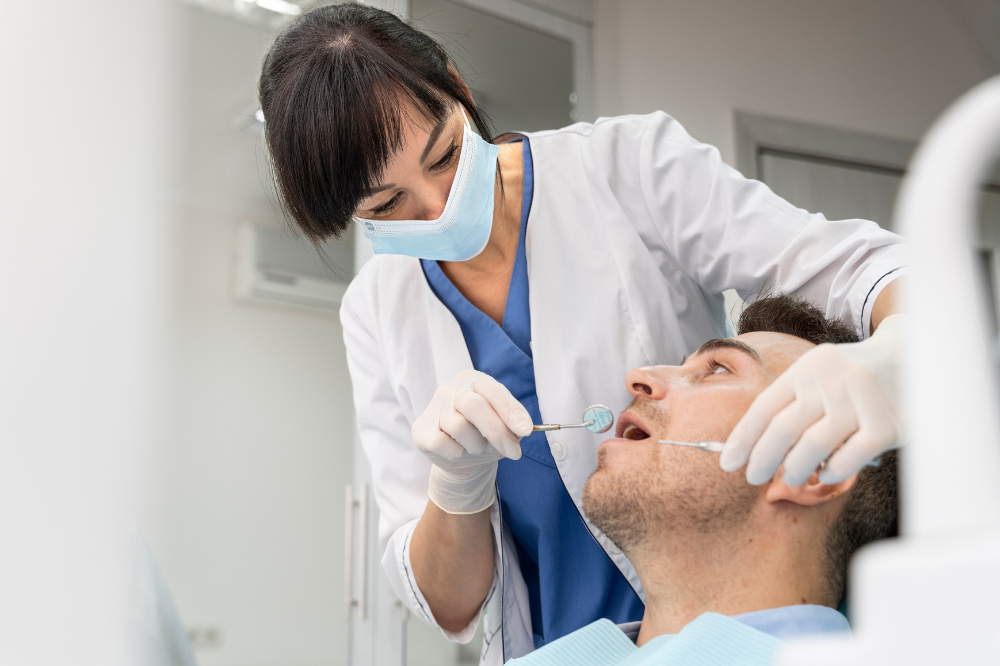
An experienced dentist near you is very important for planning and guiding maxillofacial surgery. Careful checking helps make the treatment safe and successful.
They help by:
- Checking your teeth, jaw, and face
- Planning the surgery step by step
- Explaining everything in simple words
- Checking your healing after surgery
This support helps you feel more confident and ready.
What to Expect on Surgery Day
Knowing what happens on the day of surgery can help you feel less worried.
Typical steps include:
- A final health check before surgery
- Numbing or sedation to keep you comfortable
- Careful treatment during the surgery
- Checking with you after the procedure
The whole process is planned to keep you safe and comfortable.
Aftercare Tips for Faster Healing
Good aftercare is very important for healing.
Follow these simple tips:
- Eat soft foods for a few days.
- Do not touch the surgery area.
- Rest as much as you can
- Use cold packs if needed.
- Follow all the instructions given by your dentist.
These steps help reduce swelling and help your mouth heal faster.
Common Mistakes to Avoid
Avoiding mistakes helps prevent problems.
Do not:
- Ignore your aftercare instructions.
- Eat hard or hot foods too early.
- Miss follow-up appointments
- Touch or disturb the surgery area.
Good care helps you heal better.
Benefits of Proper Preparation
Preparing well before surgery offers many benefits:
- Reduces stress and anxiety
- Improves healing speed
- Lowers risk of complications
- Makes recovery smoother
- Helps achieve better results
Good preparation leads to a better overall experience.
Prepare Today for a Smooth and Comfortable Recovery!
Careful planning and personal care make maxillofacial surgery safe, comfortable, and effective. With the right guidance at every step, patients can feel calm and confident before, during, and after the treatment. Each step is planned to help healing, reduce discomfort, and give the best results. Take the next step for better oral health and comfort by booking your appointment today with Pickering Dental.
FAQs
How long does recovery take?
Recovery time is different for everyone, but most people start to feel better in a few weeks. Healing depends on the type of surgery and how well you follow the care instructions.
Can I eat normally after surgery?
Soft foods are recommended at the start, and normal eating can slowly return as healing improves and the mouth feels more comfortable over time.
Will there be swelling after surgery?
Yes, some swelling is normal after surgery, but it usually goes down in a few days with rest and proper care.
When can normal activities be resumed?
Most people can go back to their daily activities after a short rest, depending on how they feel and how fast they heal.