Modern dentures can replace missing teeth and help you eat, speak, and smile more comfortably. Dentures in Pickering come in different types, depending on how many teeth are missing and where the gaps are. A good fit can help your dentures stay in place and feel comfortable. New dentures may feel different from natural teeth, and it can take some time to get used to them. Eating and speaking may feel different at first. Your gums and jaw can also change over time, which may affect the fit. Regular dental checkups can help find any problems and show if your dentures need an adjustment.
What Makes Modern Dentures More Comfortable?
Older ideas about dentures near you often involve loose-fitting appliances that move while eating or speaking. Modern denture design focuses more closely on the shape of the mouth to create a better fit.
Comfortable dentures should sit securely without causing ongoing soreness or rubbing. A new denture may take some time to feel natural, but persistent discomfort should not be ignored.
Factors that can affect comfort include:
- The shape and size of the gums and jaw
- The fit and design of the denture
- Changes in the mouth over time
- Proper cleaning and daily care
- Regular dental checks and adjustments
Full Dentures or Partial Dentures: What Is the Difference?
The type of denture needed depends mainly on how many teeth are missing and where they are located.
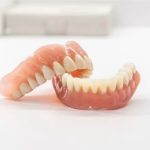
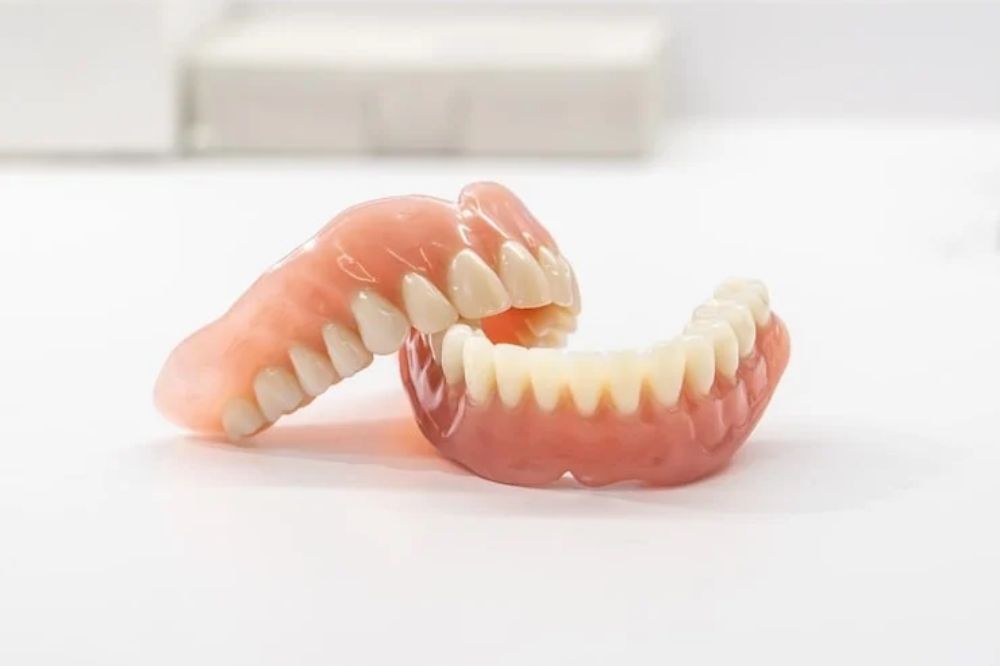
Full dentures are designed to replace an entire row of missing teeth in the upper or lower jaw. They can help restore basic chewing function and support facial shape after significant tooth loss.
Partial dentures replace several missing teeth while some natural teeth remain. They can fill gaps and may also help prevent nearby teeth from shifting into open spaces.
A dental assessment can help determine which option may suit the condition of the teeth, gums, and jaw.
How Does a Denture Fit Affect Daily Function?
A good fit is important for eating, speaking, and feeling comfortable. If dentures move too much, they may make it harder to chew or speak clearly.
A dental clinic in Pickering can check how your dentures fit and see if they need an adjustment. Your gums and jaw can change over time, which may affect how your dentures fit.
Signs that your dentures may need an adjustment include:
- Sore spots that do not go away
- Dentures slipping when you move or eat
- Trouble chewing some foods
- Speech problems that do not improve
- Gum pain or irritation
How Can Dentures Be Kept Comfortable?
Daily care can help keep your dentures clean and in good condition. Handle them carefully to help prevent damage.
Simple care steps include:
- Clean your dentures regularly with suitable products.
- Rinse them after meals when possible.
- Clean your gums, tongue, and any natural teeth.
- Store your dentures safely when you are not wearing them.
- Visit a dentist near you for regular checks and adjustments.
Regular checkups are also important because changes in your mouth can affect how your dentures fit over time.
What Should Be Expected When Getting New Dentures?
Getting used to new dentures can take time. Eating softer foods at first may make the adjustment easier. Speaking may also feel different during the early stages, but regular use can help with adaptation.
A new denture should not cause severe or ongoing pain. If it keeps rubbing, feels too tight, or moves around, your dentist may need to adjust it. Do not try to fix your dentures at home, as this can worsen the fit.
Find the Right Fit for Your Smile!
Missing teeth can affect everyday activities such as eating, speaking, and smiling. The right denture should fit comfortably and provide the support needed for daily use without causing ongoing irritation or discomfort.
At Pickering Dental, a dental assessment can help check the fit of an existing denture or discuss suitable options for replacing missing teeth. Book your appointment to discuss your comfort concerns, learn about available denture options, and find out what may help improve the fit and function of your smile.
FAQs
Are modern dentures comfortable?
Modern dentures can be made to fit your mouth well and may feel comfortable once you get used to them. If you have ongoing pain, rubbing, or slipping, your dentist should check the fit.
How long does it take to get used to dentures?
The adjustment period varies. Eating soft foods, practising speech, and following care instructions may make the transition easier.
Can dentures improve chewing?
Yes. Dentures can restore some chewing function after tooth loss. However, they may feel different from natural teeth, and certain hard or sticky foods can be more difficult to eat.
Why do dentures become loose over time?
The gums and jaw can naturally change after tooth loss. These changes may affect the fit of an existing denture and may mean that an adjustment or replacement should be considered.