Are you looking for a dental clinic near you and wondering how missing teeth affects your jaw health? You may want to understand how tooth loss can affect your jaw over time and what options can help protect your bone structure. One of the best options is dental implants, which replace missing teeth and also help support the jawbone.
When a tooth is lost, the jawbone in that area can slowly weaken over time due to a lack of stimulation. Dental implants help reduce this problem by acting like a natural tooth root.
What are Dental Implants?
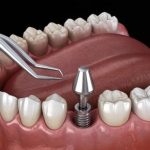
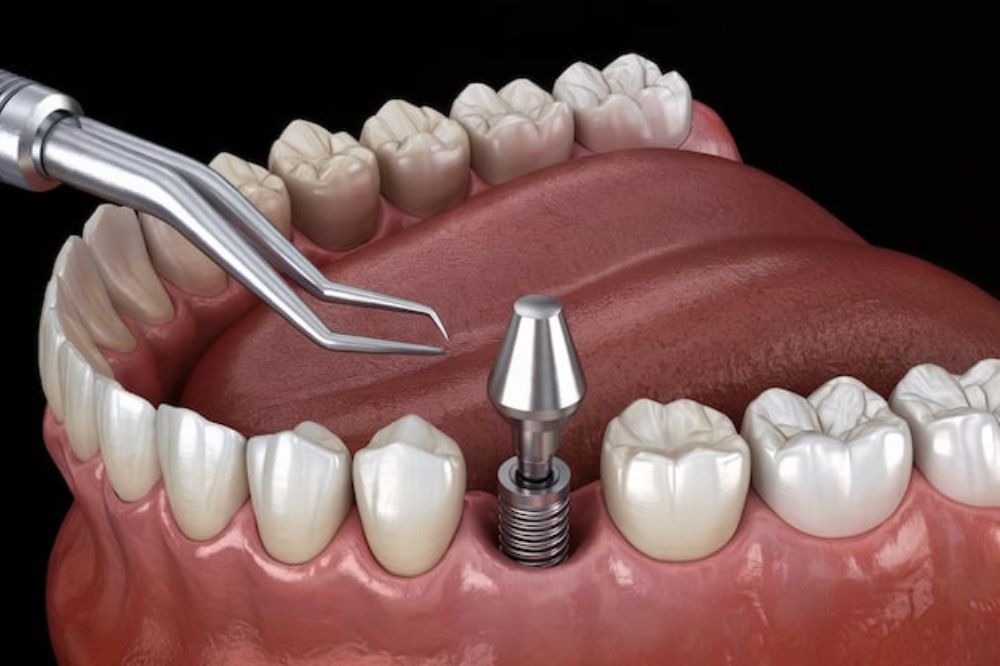
Dental implants are small posts placed into the jawbone to replace missing tooth roots. They support a crown, bridge, or denture and help restore normal chewing and speaking.
Many patients choose dental implants in Pickering because they offer a long-term solution for missing teeth and support oral health.
Dental implants help:
- Replace missing teeth
- Restore chewing ability
- Maintain jaw structure
- Improve smile appearance
How Jawbone Health Changes After Tooth Loss
When a tooth is missing, the jawbone no longer receives regular pressure from chewing. Over time, this can lead to bone shrinkage.
This may cause:
- Weak jawbone structure
- Changes in facial shape
- Shifting of nearby teeth
- Difficulty with dentures fitting properly
Early replacement helps reduce these changes.
How Dental Implants Protect the Jawbone
Dental implants help maintain jawbone health by acting like natural tooth roots. They create gentle pressure on the bone during chewing, which helps keep it active and strong.
A dentist near Fairport may recommend implants when long-term bone support is needed after tooth loss.
Key ways implants help:
- Stimulate bone growth
- Reduce bone loss over time.
- Maintain jaw strength
- Support surrounding teeth stability
Benefits of Dental Implants for Long-Term Oral Health
The benefits of dental implants go beyond replacing missing teeth. They also support long-term jaw and oral health.
Main benefits include:
- Strong and stable bite
- Prevention of bone loss
- Natural look and feel.
- No movement while eating or speaking
- Support for nearby teeth alignment
These benefits make implants a long-lasting treatment option.
Why Jawbone Preservation Matters
Jawbone health is important for both function and appearance. Without proper support, bone loss can affect the shape of the face and the function of the mouth.
Implants help maintain:
- Facial structure
- Proper bite alignment
- Stability of remaining teeth
- Overall oral strength
Who May Need Dental Implants?
Dental implants may be recommended for patients who:
- Have one or more missing teeth.
- Want a long-term solution.
- Have a healthy jawbone structure.
- Want improved chewing ability
- Want to prevent bone loss.
A proper dental checkup helps confirm suitability.
How the Dental Implant Process Works
The implant process usually includes a few steps:
- Examination and planning: The dentist checks your jawbone and overall oral health.
- Implant placement: A small post is placed into the jawbone.
- Healing period: The bone slowly fuses with the implant.
- Crown Placement: A custom tooth is attached to complete the smile.
What to Expect During Healing
Healing after implant placement is important for long-term success. During this time:
- Mild swelling may occur.
- Soft foods may be recommended.
- Healing takes a few months.
- Regular checkups are important.
Once healed, the implant becomes a stable part of the jaw.
Tips to Maintain Jaw Health After Implants
To protect implants and jawbone health:
- Brush and floss daily
- Visit the dentist regularly.
- Avoid smoking
- Eat a balanced diet
- Follow care instructions carefully.
These habits help improve long-term success.
Restore Strength and Stability With Expert Care!
Dental implants can help restore your smile, improve chewing, support your jawbone, and promote long-term oral health. If you’re considering tooth replacement, the team at Pickering Dental can help you explore the treatment options that best fit your needs. Contact us today to book your appointment and take the next step toward a healthier, stronger, and more confident smile.
FAQs
Do dental implants completely stop bone loss?
Dental implants can greatly reduce bone loss by stimulating the jawbone, but regular care is still important for long-term oral health.
How long do dental implants last?
With good care and proper oral hygiene, they can last many years, and in many cases, a lifetime.
Is dental implant surgery painful?
Most patients feel only mild discomfort, as the area is fully numbed during the procedure.
Can anyone get dental implants?
Most healthy adults can get implants, but the condition of the jawbone and overall oral health must be checked first before treatment.