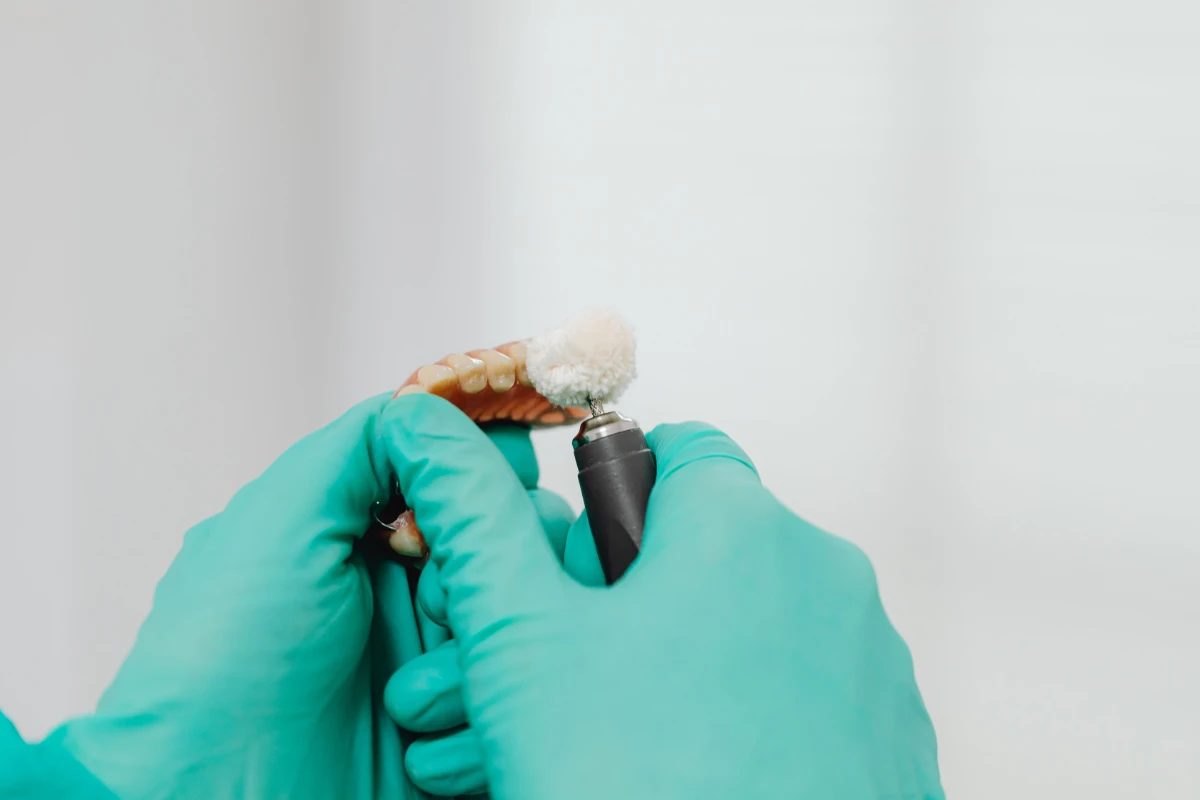
Custom dentures replace missing teeth and help you smile, talk, and eat more easily. They are made to fit your mouth, so they may feel more comfortable and look more natural. The type you need depends on how many teeth are missing and the health of your gums and mouth. A dentist can check your mouth and help you choose full dentures, partial dentures, or dentures that attach to dental implants. With a good fit and daily cleaning, dentures can help you eat, speak, and smile more comfortably.
How Do Custom Dentures Restore Your Smile?
Missing teeth can change your smile and affect how your lips and cheeks look. Custom dentures are made to fit your mouth and replace missing teeth. Their shape, size, and colour are chosen to match your face and, if you still have some, your natural teeth.
The main denture benefits include:
- Filling gaps left by missing teeth.
- Supporting the appearance of the lips and cheeks.
- Helping restore clear speech and chewing ability.
- Making it easier to smile with confidence.
A dental clinic near you can assess your needs and explain which denture design may work for your smile.
How Do Dentures Improve Speech and Chewing?
Teeth help form certain sounds and break food into smaller pieces. When teeth are missing, speaking clearly or chewing some foods may become difficult. Dentures can help restore these functions by replacing missing teeth and providing support during everyday activities.
Support for clearer speech
Missing teeth can make it harder to say some words clearly. Dentures give your tongue a surface to touch when making certain sounds. You may need some time to get used to speaking with them. Reading aloud can help you practise and speak more clearly.
Better support for chewing
Dentures help you chew food into smaller pieces, making it easier to eat. Start with soft foods, take small bites, and chew slowly on both sides of your mouth if you can. Avoid very hard or sticky foods until your dentures feel comfortable and stay in place well.
A dentist in Pickering can check the fit if dentures slip, rub against the gums, or make speaking and eating difficult.
What Types of Custom Dentures Are Available?
The best option depends on how many teeth need to be replaced, the health of the gums, and the condition of the jawbone.
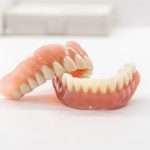
- Complete dentures: Replace all the teeth in the upper jaw, lower jaw, or both.
- Partial dentures: Replace some missing teeth and use the remaining natural teeth for support.
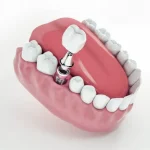
- Implant-supported dentures: Stay in place with dental implants placed in the jawbone. Some can be removed for cleaning, while others stay fixed in the mouth.
- Removable dentures: Can be taken out for cleaning and maintenance.
For dentures in Pickering, an oral examination can help identify a suitable option based on comfort, function, and individual needs.
What Happens During the Denture Fitting Process?
The denture fitting process usually involves several steps to help create a comfortable fit and useful bite.
- Oral assessment: The gums, remaining teeth, and jaw are checked.
- Measurements and impressions: Records of the mouth help guide denture design.
- Try-in: You may try a sample denture to check how it looks, feels, and fits when you speak or bite.
- Final fitting: Your finished denture is placed in your mouth and adjusted if needed.
- Follow-up visits: You may need additional dental visits to adjust your dentures as your mouth gets used to them.
A dental clinic near you can also explain replacement options for missing teeth if dentures are not the most suitable choice.
How Can You Care for Custom Dentures?
Daily denture care helps keep dentures clean and supports oral health.
- Clean dentures daily with a denture brush and a suitable denture cleaner.
- Remove dentures at night unless a dental professional gives different instructions.
- Handle them over a folded towel or a sink filled with water to reduce the risk of breakage.
- Clean the gums, tongue, and any remaining natural teeth each day.
- Keep dentures moist when they are out of the mouth, following the product instructions.
- Arrange dental check-ups to assess the fit and the health of the gums.
Do not use hot water to clean your dentures because it can change their shape. If they crack or become loose, see your dentist instead of trying to fix them at home.
Restore Comfort and Confidence With Custom Dentures!
Replacing missing teeth can help support a comfortable smile, clearer speech, and better chewing function. Pickering Dental can assess your needs, explain suitable denture options, and guide you through fitting and ongoing care.
Book a dental consultation today to explore your denture options.
FAQs
How long does it take to get used to custom dentures?
It takes time to get used to new dentures. At first, speaking and eating may feel different. You may also have more saliva or mild soreness. Practising and getting adjustments from your dentist can help make them more comfortable. If you have ongoing pain or sores, visit your dentist.
Do custom dentures look natural?
Custom dentures are designed to suit the mouth and facial features. The appearance depends on the design, materials, fit, and selection of tooth shape and colour.
Can dentures improve chewing function?
Yes. Dentures replace missing teeth and can help with chewing. However, they may not provide the same biting strength or stability as natural teeth, and some foods may remain difficult to eat.
Are implant-supported dentures better for loose dentures?
Implant-supported dentures may stay in place better than regular dentures. However, they are not right for everyone. Your jawbone health, overall health, treatment needs, and ability to care for the dentures and implants will help determine if they are a good choice for you.