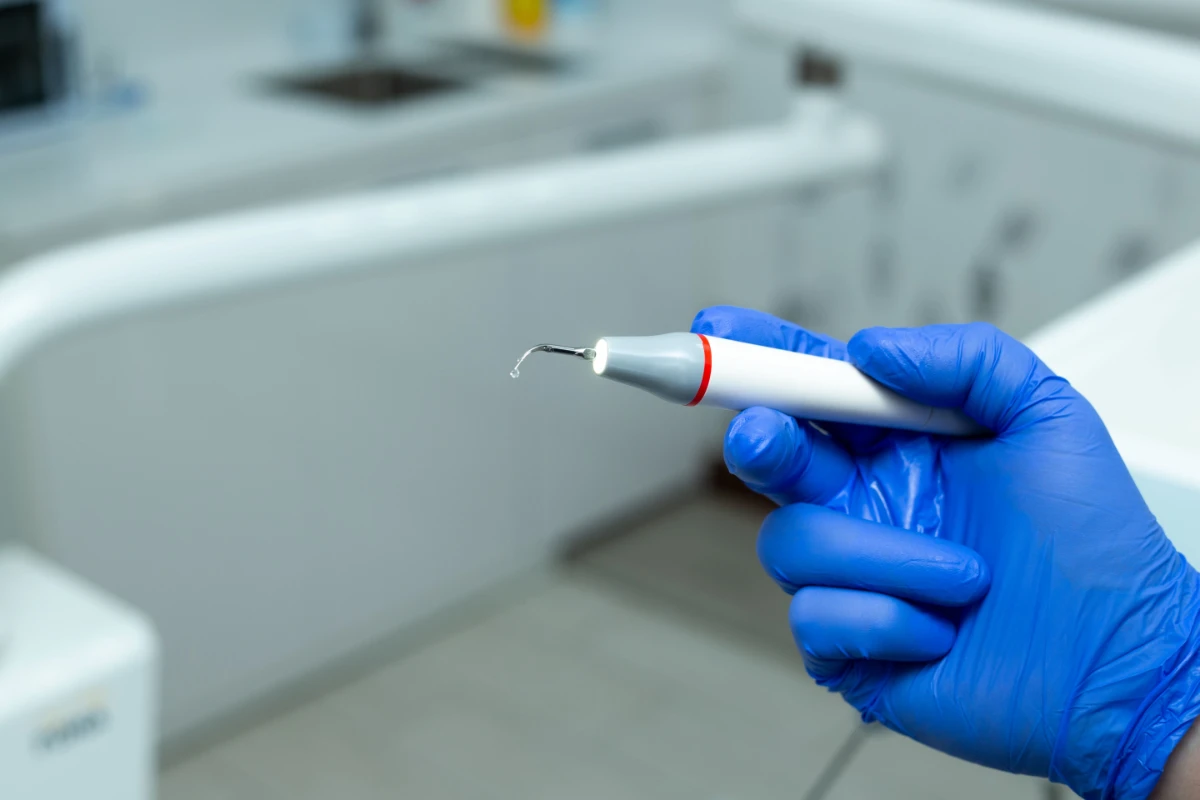
Scaling and root planing is a deep-cleaning procedure that removes plaque and tartar from beneath the gums and smooths the tooth roots to help the gums recover. It is a common treatment for gum disease in Pickering and is often recommended for early to moderate periodontitis. Unlike a regular cleaning, this treatment focuses on the spaces between the teeth and gums, where bacteria accumulate as gum disease develops. Here’s what causes gum disease, how you can prevent it, and what to expect during treatment.
What Causes Gum Infection and Periodontitis?
Gum disease starts when plaque, a sticky film of bacteria, builds up along the gumline. If it is not removed, it hardens into tartar, which irritates the gums and leads to a gum infection.
Gingivitis is the earliest stage of gum disease. You may notice that your gums look red, feel swollen, or bleed when you brush. With proper care, you can usually reverse it. If left untreated, it can turn into periodontitis, which causes the gums to pull away from the teeth and the bone underneath to break down slowly.
Several factors can increase your chances of developing gum disease, including:
- Not brushing or flossing regularly.
- Smoking or vaping
- Having diabetes
- Hormonal changes, including those during pregnancy
- Using medications that reduce saliva and cause dry mouth
- Having relatives with a history of gum disease
Watch for signs such as bleeding when brushing, swollen or tender gums, bad breath that won’t go away, gums pulling back from the teeth, or teeth that feel loose.
How Can You Prevent Gum Disease?
Good daily oral care and routine dental checkups can help prevent most gum problems. The key is to clear away plaque before it hardens into tartar, which is harder to remove.
A few everyday habits can go a long way in keeping your gums healthy:
- Brush twice daily using a soft-bristled toothbrush.
- Floss or use interdental brushes once a day to clean between your teeth.
- Stay away from smoking and vaping.
- Keep health conditions like diabetes under control.
- Visit your dentist regularly for checkups and professional cleanings.
Seeing a dentist near you for routine exams helps catch early signs of gum disease while they are still easier to treat.
How Does Scaling and Root Planing Work as Periodontal Therapy?
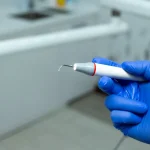
Scaling and root planing is a non-surgical form of periodontal therapy that cleans deep below the gumline. It removes the bacteria and buildup that keep the gums inflamed.
At a dental clinic in Pickering, treatment usually begins with measuring the depth of the pockets around each tooth. Deeper pockets often signal that a standard cleaning will not reach the affected areas.
The process generally includes:
- Freezing: Local anaesthetic keeps the area comfortable.
- Scaling: Plaque and tartar are removed from the teeth and from inside the gum pockets.
- Root planing: The root surfaces are smoothed to reduce the likelihood of bacteria reattaching.
- Sectional care: Treatment may be completed in sections of the mouth over multiple visits.
Your gums may feel tender or sensitive for a few days afterwards. A follow-up visit lets your dental team check how the gums have responded and whether further care, such as gum surgery, is needed.
Why Is Periodontal Maintenance Important?
Periodontitis can be managed, but it requires ongoing care to keep it under control. Periodontal maintenance visits are scheduled more often than regular cleanings, typically every 3 to 4 months.
These visits give your hygienist a chance to clean beneath the gums, check pocket depths, and look for signs of infection returning. Along with regular brushing and flossing at home, they help keep your gums and supporting bones healthy.
Book Your Gum Health Assessment
If your gums bleed, feel sore, or look swollen, the team at Pickering Dental is here to help. We can check your gums and suggest the right treatment for your needs. Request an appointment online at a time that works best for you. We are open seven days a week to fit your schedule.
FAQs
Is scaling and root planing painful?
A local anaesthetic helps keep you comfortable during the procedure, so you’ll usually feel some pressure rather than pain. Your gums may feel tender, and your teeth may be slightly sensitive for a few days afterwards.
How long does recovery take?
Most people return to normal activities the same day. The gums usually begin to feel better within a week as swelling goes down.
Can periodontitis be cured?
Periodontitis cannot be fully reversed once bone loss has occurred, but it can be controlled. Regular maintenance visits and daily home care help prevent it from getting worse.
What happens if gum disease is not treated?
Untreated gum disease may lead to receding gums, bone loss, and loose or lost teeth. It has also been linked to other health conditions, such as diabetes and heart disease.